A considered guide to home textiles
The Everyday Throw: Choosing a Layer for Sofas, Chairs, and Beds
A throw is one of the most adaptable pieces in a home: a welcome measure of warmth, a tactile accent, and a soft invitation to settle in. The right one belongs naturally wherever the day slows down, whether it is folded beside a favorite chair or casually arranged across the end of a bed.
A small layer with a generous role
There is a particular ease to a throw blanket. Unlike a duvet or bedspread, it does not need to stay in place or serve a single room. It can travel from sofa to reading chair, provide extra coverage on a cool evening, and lend a bed a final layer of color and texture. Its appeal lies partly in this informality: useful, decorative, and ready to be moved whenever the moment calls for it.
That flexibility makes choosing one less a matter of following a fixed formula than of understanding how it will be used. A throw that lives on a frequently used sofa needs to be comfortable to reach for and straightforward to care for. One reserved for the foot of a bed may be selected more for its drape, pattern, and relationship to the surrounding linens. A chair-side layer, meanwhile, should be easy to lift and generous enough to wrap around the shoulders or tuck over the knees.
Before weighing color or finish, picture the throw in its everyday setting. Will it be used daily, or mostly arranged as an accent? Is it meant to warm one person, cover a larger stretch of furniture, or simply soften a room’s composition? These practical questions help narrow the field and make the eventual choice feel considered rather than impulsive.
Begin with the room
The same textile can feel entirely different depending on where it lands. Over the arm of a sofa, it becomes part of the room’s lived-in rhythm; across a bed, it can introduce a contrasting line or a subtle change in texture. On a chair, it is an intimate, useful companion. The setting affects not only appearance, but also the dimensions, weight, and maintenance that make sense.
For the sofa
A living-room throw is likely to be handled often. It may be gathered up for a film, draped over a lap, or shifted from one end of the sofa to the other. A manageable size and a comfortable hand are therefore central. Consider how the textile feels against bare skin and whether its weight suits the room’s usual temperature. A thick, substantial layer may be satisfying in a cool space, while a lighter throw can be more versatile through changing seasons.
Think, too, about the sofa’s shape and upholstery. A neatly folded throw can make a clean, graphic statement on a streamlined seat; a relaxed drape may look more natural on a deep, generously cushioned sofa. Either approach works when it seems intentional. The aim is not to conceal the furniture, but to add a layer that complements it without making the room feel over-arranged.
For a reading chair
A chair-side throw has a more personal assignment. It should be close at hand and easy to wrap around the legs or shoulders, without becoming cumbersome. A lighter or medium-weight option is often practical if the chair is compact. Where the throw will be used most—and whether it needs to be carried between rooms—can be more important than the dimensions alone.
Placement gives this small textile a useful sense of purpose. Fold it over the chair back, rest it across one arm, or keep it in a nearby basket if that better suits the room. The best arrangement is the one that makes the throw convenient without making the space feel staged.
For the bed
At the foot of a bed, a throw can add warmth when the evening turns cool and create a finished-looking layer during the day. It does not need to cover the mattress completely. In fact, a deliberate strip of texture or color can be more effective than a full, heavy covering. Check the bed’s width and the throw’s dimensions to understand how much coverage to expect, and consider how it will sit alongside the duvet, quilt, or coverlet.
A bed throw may be folded into a long band, laid loosely across the lower third, or placed at an angle for a softer effect. Heavier textiles tend to hold a more defined fold; lighter ones can fall in a fluid drape. Either can work, provided the scale feels balanced with the bed and the other layers.
Weight, warmth, and the way a fabric falls
Weight shapes the experience of a throw as much as its appearance. A light layer is easy to move, simple to fold, and useful when a full blanket would feel too warm. A heavier one can feel reassuring in a colder room and may create a pronounced, sculptural fold over furniture. Between these extremes are versatile options that offer noticeable coverage without becoming difficult to handle.
Warmth is not determined by weight alone. Fiber, construction, and weave all contribute to how a textile feels in use. A close, dense fabric may retain warmth differently from an airy one, while a textured surface can feel inviting even when the throw itself is not especially heavy. If possible, assess the fabric by touch and read the product details to understand its intended character. Descriptions such as “soft” or “warm” are helpful starting points, but they do not replace knowing the fiber and care requirements.
Drape is another useful consideration. A supple throw settles easily over a sofa arm or mattress; a more structured textile keeps its shape and can create a sharper visual line. Neither quality is inherently superior. Choose according to the mood you want and the way the throw will be placed. For a relaxed room, a fluid fall may feel effortless. In a more tailored setting, a neat fold and crisp edge can look especially composed.
Texture as a quiet design decision
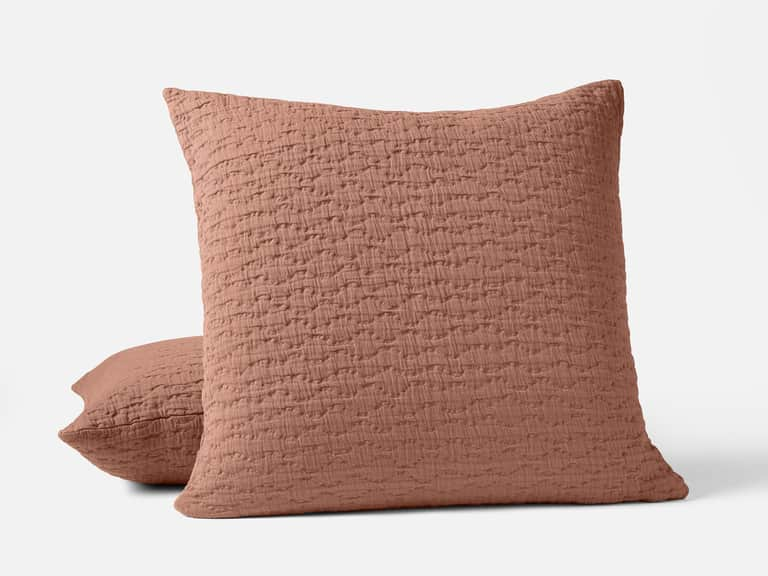
Texture brings dimension to a room without requiring a bold pattern or a new color scheme. A smooth throw beside a nubby sofa creates contrast; a raised weave against crisp bedding can make a simple bed feel more layered. Even a restrained palette benefits from variation in surface and finish. These details are often most apparent at close range, which is precisely why they give a room a feeling of considered comfort.
Look at the textiles already in the space. If the upholstery, cushions, and curtains are all smooth, a more tactile throw can offer a welcome counterpoint. If the room already contains pronounced patterns and textures, a quieter layer may bring balance. This does not mean every material has to match. A successful combination often comes from contrast, guided by a shared color family or a similar sense of visual weight.
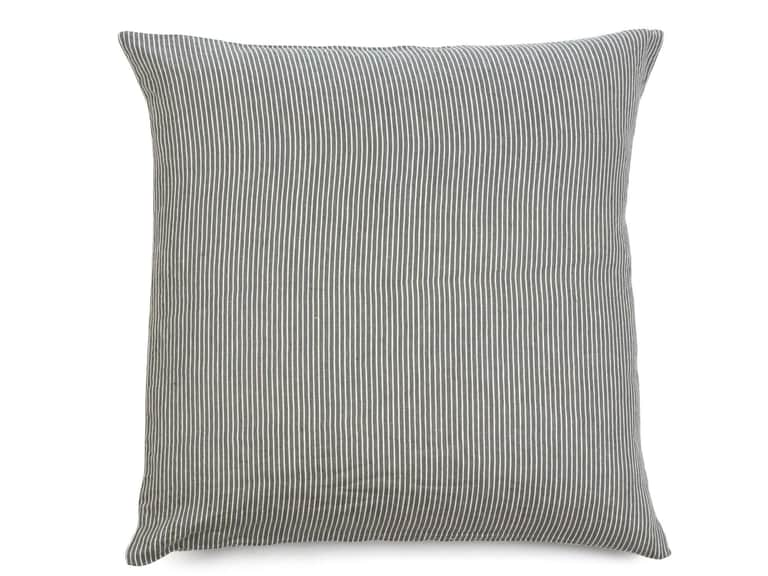
Pattern can play a similar role. Stripes lend a room a clear directional rhythm; checks and plaids introduce a familiar, graphic structure; a solid color lets the weave and finish take the lead. When introducing a patterned throw, consider the scale of patterns already present. A broad check may sit comfortably beside small-scale motifs, while several similarly sized patterns can compete for attention. The goal is a conversation between elements, not a perfect match.
Choosing color with the whole room in mind
A throw is an approachable way to adjust the atmosphere of a room. A warm neutral can soften cool upholstery; a deep shade may anchor a pale sofa; a muted accent can add personality without taking over. Since the textile is easy to move, it can also be a relatively low-commitment way to explore color. Still, it is worth considering how the shade changes in the room’s natural and evening light.
Instead of choosing a color in isolation, compare it with the materials around it: wood tones, upholstery, bedding, and the colors of nearby objects. A tone-on-tone combination creates a composed, understated effect, particularly when the surfaces differ. A contrasting hue feels more expressive. Both approaches can be elegant; the distinction is whether the throw should blend into the room or become a focal detail.
There is also the question of everyday visibility. Pale textiles can show marks more readily, while very dark shades may reveal lint or loose fibers. A patterned or mid-tone option can sometimes be forgiving in a busy household. These are practical observations, not reasons to avoid a particular color. They simply help align the choice with how the room is used.
A closer look at wool throws
Wool throws are valued for their warmth, natural texture, and enduring association with comfort. Their character varies according to fiber, yarn, and construction, so “wool” alone does not tell the whole story. One wool throw may feel smooth and light; another may have a more substantial, tactile finish. Reading the material description and, where possible, feeling the fabric helps set realistic expectations before it becomes part of a daily routine.
Wool can be a particularly appealing choice for a reading chair or sofa when a comforting layer is needed. It also brings visual depth, often lending an inviting presence to otherwise simple furniture. A plaid wool throw, for instance, can supply both pattern and warmth, while a solid version lets the fiber’s surface provide the interest. As with any textile, suitability depends on the room, the person using it, and the preferred level of care.
Maintenance deserves attention before purchase. Some wool textiles require special handling, while others may have care instructions that accommodate a more familiar laundry routine. Never assume that all wool can be washed in the same way. Follow the label, including any advice about water temperature, cycle, drying, or professional cleaning. Care instructions are part of the product’s practical identity; they help determine whether the throw fits your household as comfortably as it fits the room.
Care that supports regular use
A throw intended for everyday use should feel inviting, not too precious to touch. Understanding its care needs makes it easier to keep in rotation and helps preserve its appearance over time. Check the label before the first wash, and follow the stated guidance rather than relying on assumptions based on fiber alone. If the textile is delicate or has a specific finish, gentler handling may be important.
Between washes, simple habits can help. Shake out dust, allow the throw to air when appropriate, and fold or drape it in a way that avoids unnecessary strain on the fabric. If a mark appears, consult the care instructions before treating it; aggressive spot cleaning can affect color or texture. When storing a seasonal layer, make sure it is clean and dry, then keep it somewhere protected from moisture and excess compression.
Frequency of laundering depends on use, material, and household needs. A throw used every day on a sofa may need attention sooner than one placed decoratively at the foot of a bed. In either case, care should be guided by the manufacturer’s instructions and the realities of use. Thoughtful maintenance is not complicated; it is simply part of choosing a textile that can live well in a home.
Size: enough coverage, without the excess
Dimensions influence whether a throw feels useful or merely decorative. For a chair, a compact size may be easy to fold and reach for. On a sofa, a larger throw can offer more coverage or create a generous drape, but it may be harder to keep tidy on a smaller seat. For a bed, measure the area you would like the throw to cover rather than assuming that a single size will suit every mattress.
Consider the person using it as well as the furniture. A throw intended to cover the shoulders and knees has different demands from one that will sit neatly over an armrest. If it needs to move between rooms, a manageable size and weight become more important. Product dimensions are useful, but imagining them against the actual furniture gives a clearer sense of proportion.
Oversized layers can look relaxed and luxurious, especially on broad furniture, but too much fabric can overwhelm a small chair or gather awkwardly on a narrow bed. Conversely, a very small throw may function more as an accent than as a practical blanket. The best size is the one that serves its intended purpose while looking at ease in its setting.
How to style a throw without overthinking it
Styling need not be elaborate. A clean fold across the end of a bed creates a composed finish. A casual drape over the back of a sofa can make a room feel ready to be used. A folded throw at the side of a chair signals that comfort is within reach. Small changes in placement can refresh a room without rearranging its larger pieces.
- Fold for structure: A neat, simple fold suits tailored spaces and lets a pattern read clearly.
- Drape for ease: A relaxed arrangement works well when the throw is used frequently and should remain accessible.
- Layer with restraint: Pair contrasting textures, but leave enough space for each fabric to be seen.
- Repeat a color thoughtfully: A shade echoed in a cushion or nearby detail can connect the room without making every item match.
These are starting points, not rules. A throw that is regularly used will naturally shift and change shape. That lived-in quality is part of its appeal. Rather than resetting it constantly, allow the arrangement to reflect the room’s real rhythm.
A practical checklist before choosing
When comparing options, keep the questions focused. What is the throw’s primary destination? How much coverage is needed? Should it feel light and easy to move, or substantial and enveloping? Does its texture complement the furniture and bedding already in place? Finally, can its care requirements fit comfortably into your routine?
It can help to distinguish between the throw’s primary job and its secondary pleasures. A sofa blanket may need to be especially comfortable and easy to maintain, while also contributing color. A bed accent may prioritize proportion and texture, with warmth as an additional benefit. When every quality is treated as equally important, choosing can become unnecessarily complicated. Decide what matters most, then look for the details that support it.
Also consider longevity. A textile that works with several rooms or seasonal arrangements may offer more flexibility than one chosen for a single, highly specific moment. This does not require a neutral palette or a conservative design. It simply means thinking about whether the throw will continue to feel welcome if furniture moves, bedding changes, or the room’s mood evolves.
The pleasure of a useful layer
The everyday throw earns its place through a combination of comfort and adaptability. It is ready when the room feels cool, adds definition when furniture needs a softer edge, and moves easily as the day changes. The details that matter most—weight, texture, size, color, and care—are not separate considerations. Together, they determine whether a throw feels natural in the home and useful beyond its first impression.
Choose with the setting in mind, pay attention to the fabric, and let the room guide the final decision. A well-chosen layer does not need to announce itself. It simply makes a sofa more inviting, a chair more comfortable, or a bed feel thoughtfully finished. That quiet usefulness is what makes a throw a lasting part of everyday living.